
Turkish-Islamic Period Gravestones in Bartın to Be Added to the National Inventory
9 Eylül 2026
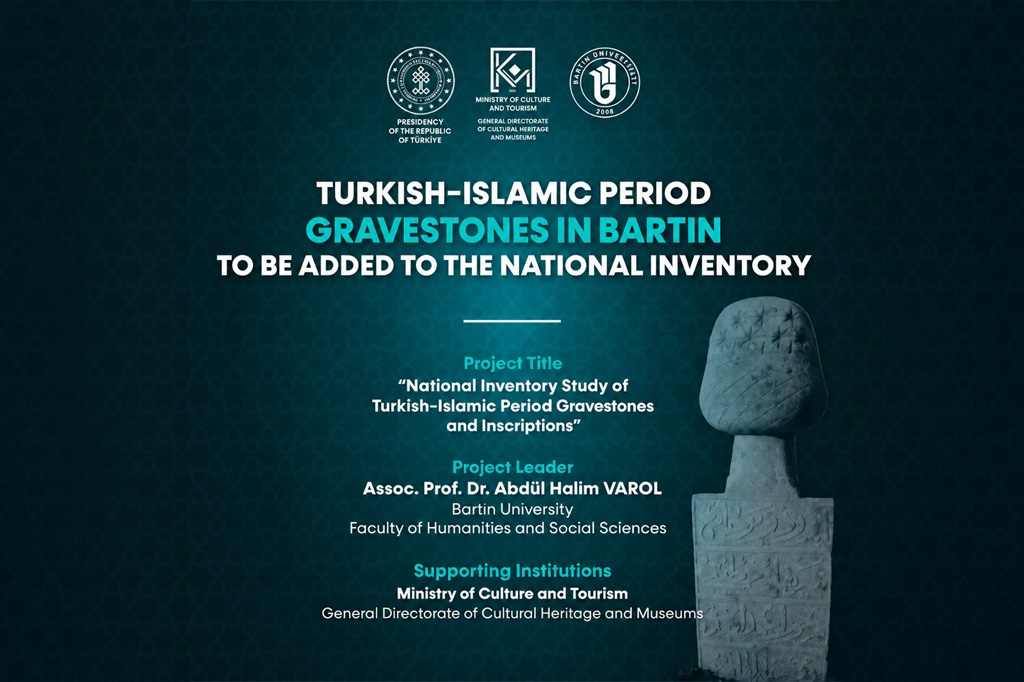
A study to be carried out by Bartın University (BARÜ) will document, using scientific methods, gravestones and inscriptions from the Turkish-Islamic Period that shed light on Bartın’s social and cultural history.
Bartın University (BARÜ) is adding a new initiative to its efforts to document Bartın’s historical and cultural heritage. Within this scope, fieldwork in Bartın as part of the “National Inventory Study of Turkish-Islamic Period Gravestones and Inscriptions,” conducted under the auspices of the Presidency of the Republic of Türkiye and coordinated by the General Directorate of Cultural Heritage and Museums of the Ministry of Culture and Tourism, will begin in October.
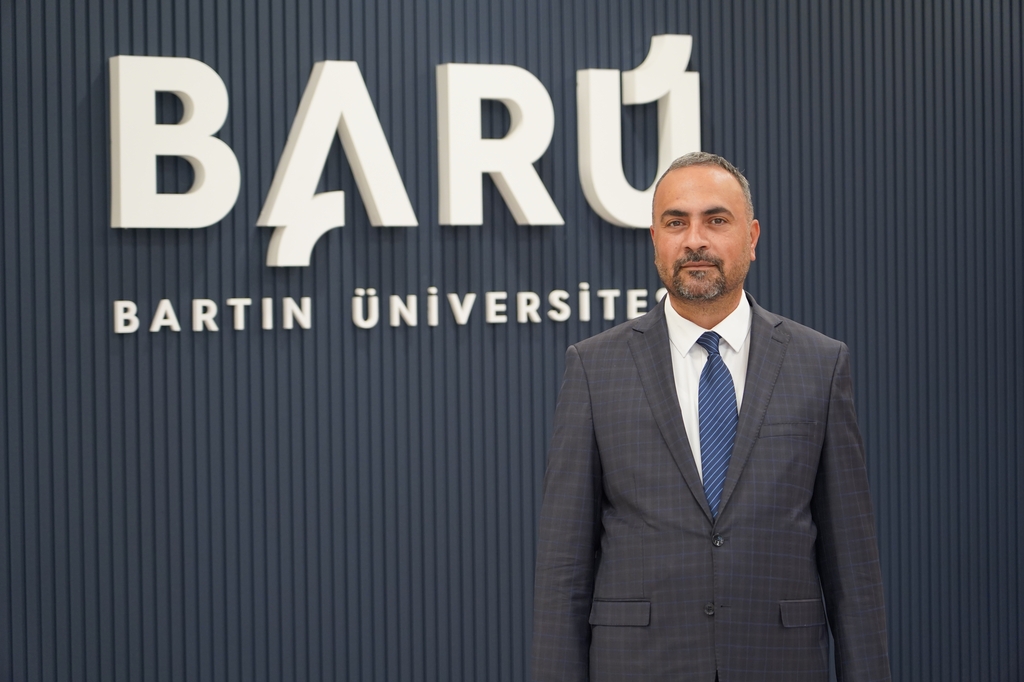
The research will be carried out by a team led by Assoc. Prof. Dr. Abdül Halim Varol from the Department of History of Art at the BARÜ Faculty of Humanities and Social Sciences. The team will examine gravestones and inscriptions from the Turkish-Islamic Period in Bartın using scientific methods. The study aims to photograph the gravestones, read and record their inscriptions, identify their artistic and typological characteristics, digitize the collected data, and determine their geographical coordinates.
The team, consisting of BARÜ academics and students, will initially conduct examinations in cemeteries and historic burial grounds in central Bartın. In the later stages of the study, research will continue in the districts of Amasra, Ulus, and Kurucaşile. Over the course of the planned 12-month project, the aim is to comprehensively document Turkish-Islamic Period gravestones and inscriptions throughout Bartın and transfer the collected information to the national inventory system.
The inventory study also aims to reveal aspects of Bartın’s urban memory through the information recorded on the gravestones. In particular, documenting the names of individuals and families who lived in the region over the past 250 years, as well as their occupations, Sufi order affiliations, and causes of death, is expected to provide new insights into the city’s social and cultural history.
BARÜ Rector Prof. Dr. Ahmet Akkaya stated that the study would make significant contributions to the scientific investigation of Bartın’s historical and cultural heritage and its preservation for future generations, and wished Assoc. Prof. Dr. Abdül Halim Varol and the project team success in their work.
BARÜ Communications Coordination Office
Fotoğraflar
Haberler